About 60% of Americans struggle with basic financial decisions because they never learned how to manage money properly. This is not a judgment. It is simply the truth about how we are raised. Nobody teaches kids about bills, taxes, or investing in school. Most of us figure it out on our own, often after making expensive mistakes.
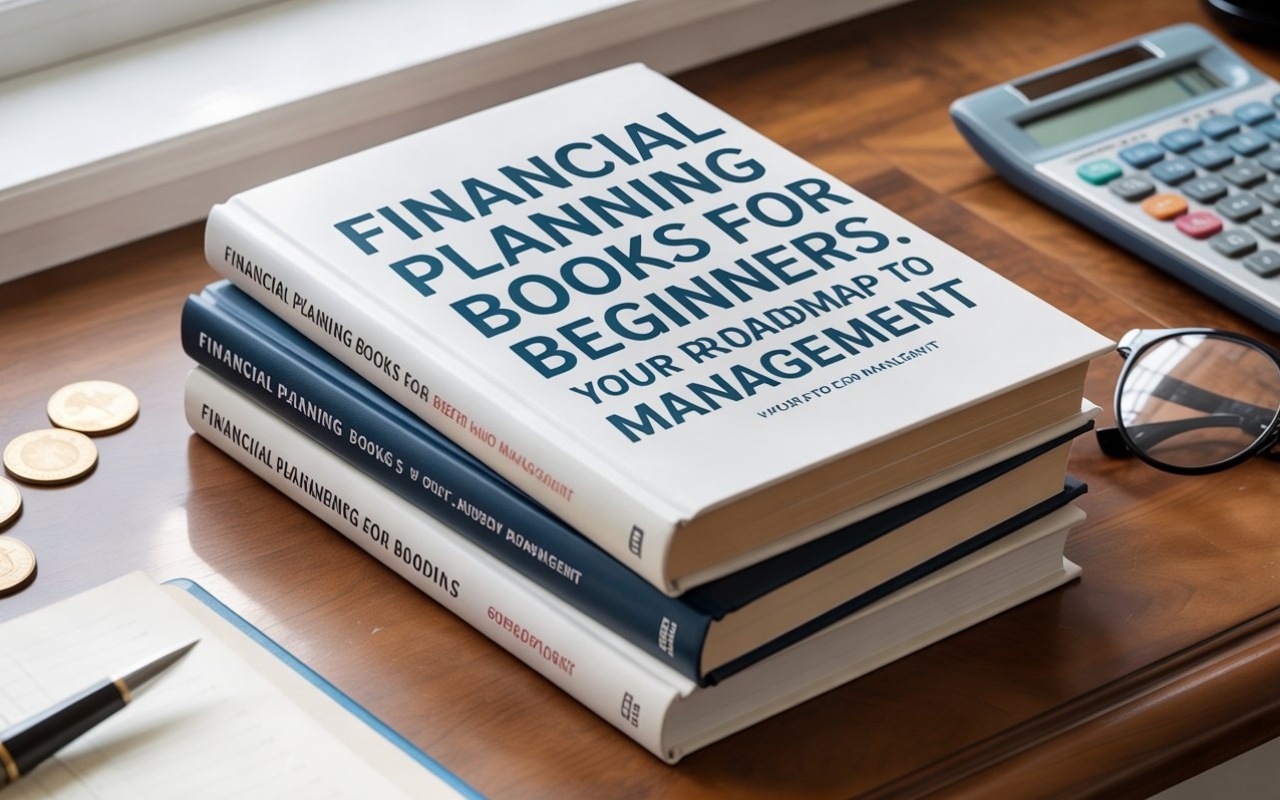
The good news is that financial planning books for beginners can change this completely. A single book can teach you more about money in a few weeks than you might learn in years of trial and error. Reading about finances is one of the cheapest ways to improve your life. A twenty dollar book could save you thousands of dollars in bad decisions.
This article will help you find the right financial planning books for your situation. You will learn which books work best for learning about budgeting, investing, saving, and building wealth. We will look at books that are actually easy to read, not complicated textbooks filled with jargon. By the end, you will know exactly which books to pick up and why they matter for your future.
Why Reading About Finance Actually Works
Many people think they need to figure out finances on their own. They assume that if they just work hard and make decent money, everything will be fine. This approach fails more often than it succeeds. The problem is that making money and managing money are two completely different skills.
Reading books about financial planning gives you a proven framework. Someone else has already done the hard work of learning these lessons, often through their own mistakes. When you read their book, you get to skip the painful parts and go straight to the solutions. This saves you both time and money.
Financial books also build your confidence. Many people avoid money decisions because they feel embarrassed about what they don’t know. A good book normalizes your struggles and shows you that millions of people feel the same way. Once you understand the basics, financial decisions stop feeling scary and start feeling manageable.
Books are also permanent. You can return to a book years later and pick up new insights. An article you read once online gets forgotten. A book sits on your shelf and reminds you of what you learned. You can highlight sections, take notes in the margins, and reference them again when you face a new financial situation.
How to Choose the Right Book for You
Not every financial planning book will be perfect for every person. Your situation is unique, and the best book for you depends on what you want to learn first.
Start by thinking about your biggest financial problem right now. Are you living paycheck to paycheck and need help with budgeting? Are you interested in investing but don’t know where to start? Do you want to understand debt better? Or are you simply trying to figure out how to build wealth over time? Your answer to this question will point you toward the right book.
Consider your reading style as well. Some people love stories and examples. Others prefer straightforward facts and lists. Some books use humor to make finance fun. Others are more serious and formal. You are more likely to finish a book that matches your personality, so pay attention to this when choosing.
Look at the publication date too. Finance changes, and some older information can be outdated. Books about investing or taxes especially need to be relatively recent. However, classic books about money psychology and basic budgeting often remain useful even if they were written years ago.
Check reviews from real readers, not just fancy marketing descriptions. Look for people who mention that they actually finished the book and applied what they learned. Reviews that say “This book changed my life” are nice, but reviews that say “I cut my spending by $300 a month using this method” are more helpful.
The Best Books for Learning Basic Budgeting
The Total Money Makeover by Dave Ramsey remains one of the most popular financial planning books for beginners. The main idea is simple. Stop spending money you do not have. Get out of debt as fast as you can. Then build wealth intentionally.
Ramsey uses a step by step approach called “The Baby Steps.” You start by saving a small emergency fund, then attack your debt, then build a larger emergency fund, and eventually work toward wealth building. This method works because it gives you a clear path forward. You always know what comes next. The book includes practical advice about budgeting, paying off debt, and making better money choices.
The downside is that Ramsey’s style is aggressive and sometimes judgmental. He does not believe in credit cards under any circumstance. This approach works for some people but feels too extreme for others. Still, for beginners who need a kick in the pants to start taking finances seriously, this book delivers results.
Your Money or Your Life by Vicki Robin and Joe Dominguez takes a different approach. This book asks you to think about what money really means. It connects your spending to the hours you work. If you make twenty dollars an hour and you waste fifty dollars eating out every day, that is two and a half hours of work per day just gone.
This book teaches you how to track your money, understand your real expenses, and align your spending with your values. It is more philosophical than The Total Money Makeover, but it is also more helpful for people who want to understand the “why” behind their money choices. Readers often report that this book changed how they think about money completely.
I Will Teach You to Be Rich by Ramit Sethi is the choice for people who want practical steps without judgment. Sethi starts by meeting you where you are. He does not lecture you about your past mistakes. Instead, he gives you a clear system for managing your money in the modern world.
The book covers opening the right accounts, automating your savings, paying off debt, and investing for retirement. Sethi includes plenty of real examples and actionable steps. His tone is friendly and funny, which makes the book feel less like homework. Young people especially appreciate this book because it talks about credit cards, apps, and the actual financial tools people use today.
Books for Understanding Investing Basics
The Bogleheads’ Guide to Investing by Taylor Larson, Mel Lindauer, and LaDonna Larson is the best book for beginners who want to start investing but feel confused by all the options.
The book starts by explaining what investments actually are and why regular people need them for retirement. It then teaches you about stocks, bonds, and mutual funds in language that makes sense. The Bogleheads philosophy is that most people do not need fancy investment strategies. A simple, low cost approach of buying index funds and holding them for decades works better than trying to beat the market.
This book cuts through all the hype about investing. You will not read about hot stock tips or ways to get rich quick. Instead, you learn a boring but effective strategy that has worked for millions of people. The book also includes worksheets and action steps, so you can apply what you learn immediately.
A Random Walk Down Wall Street by Burton Malkiel is a classic that has been updated many times. It explains why trying to beat the stock market is almost impossible and usually a waste of time. Malkiel uses research and history to show that most active investors underperform the overall market.
This book is slightly more technical than the Bogleheads guide, but it is still readable for beginners. The main benefit is that you get a really solid education about how markets work. You learn why certain investment strategies make sense and others do not. This knowledge helps you avoid scams and bad advice from people trying to sell you things.
The Intelligent Investor by Benjamin Graham is often called the best investing book ever written. It was first published in 1949 and has been updated several times. Graham teaches a philosophy of investing called “value investing.”
The basic idea is that you should only buy stocks when they are on sale. You research companies, figure out what they are really worth, and only buy when the price is much lower than that value. This approach requires patience and discipline, but it has made many people very wealthy.
The book is longer and more detailed than others on this list. It is not a quick read. However, if you are willing to spend time on it, the education you get is worth the effort. This is the book that created the foundation for how successful investors think about money.
Books for Building Long Term Wealth
Atomic Habits by James Clear is not a finance book, but it absolutely belongs on this list for beginners. Building wealth is not about making one big decision. It is about making small good decisions repeatedly, day after day, year after year.
Clear teaches you how to build habits that stick. He explains how tiny changes in your daily behavior can create huge results over time. Applied to finances, this means saving small amounts consistently, spending less without thinking about it, and building good money habits automatically. The book includes tons of examples and practical strategies that actually work.
The Millionaire Next Door by Thomas Stanley and William Danko shows you what wealthy people actually do differently. The book is based on interviews with thousands of millionaires. The authors found that most millionaires are not flashy spenders. They live below their means, invest consistently, and focus on building real wealth instead of looking wealthy.
This book is useful for beginners because it changes your mindset. You learn that wealth building is not about earning a huge salary. It is about controlling your spending and investing the difference. Many of the millionaires in the book earned ordinary incomes but became rich through discipline and time.
The Psychology of Money by Morgan Housel explains that money decisions are emotional, not logical. How you grew up, what you experienced, and what you fear all affect how you handle money. Understanding this about yourself is the first step to making better choices.
Housel uses stories and examples to show how different people make wildly different financial decisions with the same information. He teaches you to be skeptical of your own thinking and to build systems that work even when your emotions are pulling you in the wrong direction. This book helps beginners understand that bad money choices are not usually about intelligence. They are about psychology.
Specialized Books for Specific Situations
The Opposite of Spoiled by Ron Lipton is helpful if you want to teach your kids about money from a young age. This book includes practical strategies for giving kids an allowance, helping them understand saving and spending, and raising children who respect money.
If you are married or in a long term relationship, The Couple’s Guide to Financial Intimacy by Jacquette Timmons addresses the reality that money causes conflict in many relationships. The book teaches couples how to talk about money without fighting and how to make financial decisions together even when you have different values about spending.
The Index Card by Helaine Olen and Harold Pollack takes a unique approach. It presents all the financial advice most people actually need on the front and back of a single index card. The book then explains each piece of advice in detail. If you want something simple and no nonsense, this book is perfect.
How to Actually Learn From These Books
Buying a book is not the same as learning from it. Many people read a book and forget everything within a week. To get real value from financial planning books, you need to take action.
Start by reading with purpose. Before you open the book, write down what you want to learn. As you read, take notes about ideas that apply to your life. This keeps you engaged and helps information stick in your brain.
Next, pick one idea from the book and implement it before you start the next book. If you read about automating your savings, set up automatic transfers that week. If you learn about budgeting, create a budget immediately. Small actions build momentum and prove to yourself that these ideas actually work.
Share what you learn with someone else. Explaining a concept to another person forces you to understand it better. You might tell a friend, write about it, or discuss it with family. This step is often where real change happens.
Finally, revisit important books after a few months or a year. You will be surprised at how much more you understand the second time around. Reading the same book at different stages of your life shows you different lessons.
Red Flags: Books to Skip
Not every financial book is worth your time. Some books are just trying to sell you something. Others use fear and hype to manipulate you into making bad decisions.
Avoid books that promise to make you rich quick. Real wealth building takes time, usually years. Anyone promising otherwise is lying. Be skeptical of books that focus heavily on one investment type, like real estate or cryptocurrency, as the solution to all money problems. Reality is more nuanced.
Skip books written by people trying to sell you products or services. If the author makes money when you buy their mutual fund or take their course, they have a conflict of interest. Look for authors who make money from selling the book, not from selling you financial products.
Avoid books that make you feel bad about your situation. The best financial books meet you where you are without judgment. They assume you are doing the best you can with what you know and offer help moving forward.
Where to Get These Books
You do not need to buy every book you want to read. Libraries offer free access to physical books and often have digital versions too. Many libraries also have programs where you can listen to audiobooks for free.
Online retailers like Amazon offer both new and used books at various prices. Used books are often significantly cheaper and work just as well as new ones. Thrift stores and used book stores sometimes have great finds.
If you are not sure you will finish a book, try borrowing it first. There is no need to spend money on a book before you know whether you will actually read it.
Consider an audiobook version for books on this list. Listening while you commute or exercise means you can learn without dedicating extra time. Some people actually absorb information better through listening than reading.
Create Your Personal Reading Plan
Start with one book that matches your biggest current challenge. If you are drowning in debt, start with The Total Money Makeover or Your Money or Your Life. If you are ready to invest, start with The Bogleheads’ Guide. If you want to understand money psychology first, start with The Psychology of Money.
Give yourself permission to take your time. You do not need to rush. Read at your own pace and actually apply what you learn. A single book that transforms your behavior is worth more than ten books you speed read and forget.
After finishing your first book, pick your second based on what you want to learn next. Build on your knowledge gradually. This approach keeps you motivated and prevents overwhelm.
Track your progress as you go. Write down changes you have made based on what you learned. Track money saved or invested. Seeing real results from your reading makes you more likely to continue learning.
The Real Payoff of Reading About Finance
Financial planning books for beginners work because they provide education that nobody else is offering. Schools do not teach this. Your parents might not know it. Your employer certainly will not teach you. This knowledge gap is why most people struggle with money.
Reading even one good book puts you ahead of the vast majority of people. You will understand concepts that confuse your friends. You will make better decisions about debt, spending, and investing. You will sleep better at night because you understand your financial situation.
The real payoff is not just money, though having more money is nice. The payoff is peace of mind. It is the confidence that comes from understanding your finances. It is the freedom that comes from not having to worry about money constantly. It is the ability to make choices based on what you want, not on what you can afford this week.
Your Next Step
Pick one book from this list today. Pick based on what matters most to you right now. You do not need to know everything about finance. You just need to know the next step.
Do not wait for the perfect time to read. Do not think you need to be smarter first. You are ready right now. Check your local library or order online. Set a goal to read one chapter this week.
Financial planning books for beginners exist specifically to help people like you. Use them. Your future self will be grateful for the work you do today.