
Did you know that 73% of millennials now own stocks or mutual funds, compared to just 52% a decade ago? This generation watched their parents lose retirement savings in 2008, graduated into the worst job market in decades, and still managed to become one of the most active investing groups today.
Millennials, born between 1981 and 1996, are now between 28 and 43 years old. They invest differently than any generation before them. Their approach combines technology, values, and hard lessons learned from economic crashes. Understanding these trends helps whether you’re a millennial looking to improve your strategy or someone investing for the future.
This guide breaks down exactly how this generation builds wealth. You’ll learn what works, what doesn’t, and why their methods are changing investing for everyone.
Why Millennials Invest Differently Than Their Parents
The 2008 financial crisis left deep scars. Many millennials watched their parents’ retirement accounts drop by half. They saw stable companies fail overnight. These experiences created a generation that questions traditional financial advice but still wants to build wealth.
Student loan debt changed everything about their timeline. The average millennial borrower carries around $30,000 in student loans. This debt delayed home buying, starting families, and yes, investing. When you’re paying $300 a month in student loans, finding money to invest gets harder.
Technology gave millennials tools their parents never had. Free trading apps, instant information, and low minimum investments opened doors that used to be closed. A investment account that required $5,000 to open in 1995 now accepts $5. This access changed who gets to participate in wealth building.
Traditional financial institutions lost millennial trust after the crisis. Big banks got bailouts while regular people lost homes. This distrust pushed millennials toward new platforms, different strategies, and a do it yourself approach to money management.
Technology Changed Everything About Investing
When Robinhood launched commission free trading in 2013, it sparked a revolution. Before this, buying a single stock could cost $7 to $10 in fees. Buying and selling just ten times a year meant $140 in costs before making a single dollar. Free trading eliminated this barrier completely.
Information access leveled the playing field in ways previous generations couldn’t imagine. Company earnings reports, market analysis, and investment research used to cost thousands of dollars. Now it’s all free online. A 25 year old with internet access has the same information as professional fund managers.
Social media created entirely new research channels. Reddit communities like r/investing have millions of members sharing strategies. Twitter brings real time market news. Even TikTok hosts financial education, though quality varies wildly. This peer to peer learning replaced expensive financial advisors for many.
Robo advisors automated the whole process for people who want a hands off approach. These platforms use algorithms to build and manage portfolios. They charge around 0.25% annually compared to 1% or more for human financial advisors. Companies like Betterment and Wealthfront manage billions using this model.
The barrier to entry dropped from thousands to literally five dollars. This matters enormously for people starting with limited funds. You can begin investing with your coffee money. Small starts lead to big habits.
Stocks and Index Funds Still Lead the Way
Despite all the new options, about 80% of millennial investors own individual stocks. They like picking companies they believe in. Apple, Amazon, Tesla, and Microsoft show up frequently in millennial portfolios. These are companies they use daily and understand.
Index funds and ETFs earn even more love for their low fees and simplicity. An S&P 500 index fund gives exposure to 500 large companies for fees as low as 0.03% annually. This beats trying to pick winning stocks and costs almost nothing. Passive investing through index funds forms the foundation for most millennial portfolios.
The math behind compound interest resonates strongly with this generation. They understand that $200 a month invested from age 25 to 65 at 8% returns grows to over $600,000. Starting early matters more than starting with a lot. Time becomes their biggest advantage.
Most millennials blend both approaches. They might put 70% in index funds for steady growth and 30% in individual stocks for companies they really believe in. This balances safety with the excitement of picking potential winners.
Cryptocurrency Became Mainstream With This Generation
Around 50% of millennials own or have owned cryptocurrency at some point. This percentage dwarfs older generations where crypto ownership sits below 20%. Bitcoin and Ethereum dominate holdings, but many have experimented with alternative coins too.
Millennials see cryptocurrency as both an investment and a bet on future technology. They grew up watching the internet transform everything. Many believe blockchain technology will do the same. This makes crypto feel less risky to them than it does to older investors.
The risk tolerance shows clearly here. Crypto prices swing wildly. Bitcoin dropped from $60,000 to $20,000 and back up again. These swings would terrify traditional investors, but millennials largely held through the volatility. Their long time horizon helps them weather the storms.
Most financial advisors recommend keeping crypto to 5-10% of a portfolio if you invest in it at all. Many millennials follow this guidance, using crypto as a small portion of a diversified strategy. The crypto winters of 2018 and 2022 taught valuable lessons about not putting everything in speculative assets.
Integration with traditional portfolios shows maturity. Early crypto investors often went all in. Now, millennials treat it like any other asset class. They rebalance, take profits, and manage risk. The wild speculation stories make headlines, but most approach it more carefully.
Values Drive Investment Choices More Than Ever
ESG investing, which stands for Environmental, Social, and Governance, grew 300% among millennials in recent years. About 75% say a company’s values matter when they decide whether to invest. This represents a huge shift from purely profit driven investing.
Many millennials actively avoid certain industries. Tobacco companies, fossil fuel producers, and weapons manufacturers often get excluded from portfolios. Instead, they seek companies with strong environmental records, diverse leadership, and positive social impact.
This isn’t just feel good investing that sacrifices returns. Research shows ESG funds perform just as well as traditional funds over time. Some even outperform because companies with good governance and sustainability practices often run better overall.
Popular ESG funds make it easy to invest according to values. You don’t have to research every company individually. Funds screen companies for you based on ESG criteria. This convenience helped ESG investing grow from a niche idea to a mainstream approach.
Impact investing takes this further by targeting specific outcomes like clean energy or affordable housing. Millennials want their money to do more than just grow. They want it to create positive change while building wealth. This dual purpose appeals to a generation that saw unchecked capitalism create problems.
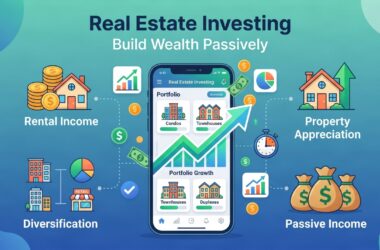
Real Estate Investing Looks Different Now
High home prices and student loan debt made traditional real estate investing harder for millennials. The down payment for a median priced home now requires years of saving. Many turned to alternatives that provide real estate exposure without buying physical property.
REITs, or Real Estate Investment Trusts, let you invest in real estate through the stock market. These companies own apartment buildings, offices, shopping centers, and other properties. You get exposure to real estate returns without managing tenants or fixing toilets. REITs trade just like stocks with no minimum investment beyond the share price.
Crowdfunding platforms like Fundrise and RealtyMogul lowered the entry point even further. You can invest in real estate projects starting at $500. These platforms pool money from many investors to buy properties. You earn returns from rent and property appreciation without the hassle of being a landlord.
House hacking gained popularity as a creative strategy. This means buying a small multi unit property, living in one unit, and renting out the others. The rental income covers the mortgage. It requires less money down than buying a rental property separately and provides a place to live.
Many millennials still plan to own rental property eventually. They just took different paths to get there first. Starting with REITs or crowdfunding builds knowledge and capital. Later they can transition to direct property ownership when finances allow.
Retirement Accounts Are Starting Later But Growing Faster
The average millennial started retirement savings at age 27, compared to 35 for Generation X. Automatic 401k enrollment at many companies helped tremendously. When you have to opt out instead of opt in, most people just leave it alone and start saving.
Roth IRAs became extremely popular with this generation. With a Roth, you pay taxes now but get tax free growth and withdrawals later. Millennials expect to earn more in the future, so paying taxes at today’s lower rates makes sense. The tax free growth over 30 or 40 years adds up enormously.
When millennials do start saving, they contribute at higher rates than previous generations did at the same age. Many contribute 10% to 15% of income right away instead of starting at 3% or 5%. They understand that lost time requires higher contributions to catch up.
The late start still creates challenges. Someone who starts at 27 instead of 22 needs to save significantly more to reach the same retirement amount. But millennials show awareness of this math. Many use catch up strategies like increasing contributions with every raise or directing bonuses straight to retirement accounts.
Understanding tax advantages helps them maximize every dollar. They know the difference between traditional and Roth accounts. They understand how employer matches provide free money. This knowledge helps them make smarter decisions about where to put retirement savings.
Side Hustles and Alternative Income Streams
About 45% of millennials have side income beyond their main job. The gig economy made this easier than ever. Driving for Uber, freelancing online, selling crafts, or teaching English virtually all create extra cash. Many direct this side income straight to investments.
This approach accelerates wealth building significantly. If your main income covers expenses, every dollar from side work can go to investments. Someone earning an extra $500 a month and investing it fully builds serious wealth over time. That’s $6,000 a year going directly to their future.
Dividend stocks appeal as a way to create passive income. These companies pay regular cash dividends to shareholders. Some millennials build portfolios focused on dividend growth. The dividends get reinvested early on, then later can provide income without selling shares.
Creating multiple income sources became a core strategy for financial security. The 2008 crisis and pandemic taught that job security is an illusion. Having income from investments, side work, and a main job provides protection. If one source disappears, others remain.
Entrepreneurship and small business investments also fit this pattern. Many millennials start small businesses or invest in friends’ companies. These investments carry higher risk but offer more control than stock market investing. The startup culture appeals to a generation that values flexibility and ownership.
Education Through Non Traditional Channels
YouTube channels and podcasts replaced financial advisors as the first stop for investment education. Creators explain complex topics in simple terms for free. Channels focused on investing, personal finance, and wealth building have millions of subscribers. This democratized access to financial knowledge.
Reddit communities became virtual classrooms and support groups. Communities like r/investing and r/personalfinance have detailed wikis, daily discussions, and experienced members who answer questions. The collective knowledge rivals expensive financial courses.
TikTok brought financial education to even younger audiences, though quality varies dramatically. Some creators share genuinely helpful information. Others promote risky strategies or outright scams. Learning to evaluate sources became a critical skill.
Books and blogs still matter for deeper learning. Classics like “The Intelligent Investor” and “A Random Walk Down Wall Street” remain popular. Financial blogs provide ongoing education and different perspectives. The combination of video, community discussion, and reading creates well rounded education.
Learning by doing with small amounts proved effective for many. Instead of waiting to know everything, millennials often start with $50 and learn from experience. Real money invested, even tiny amounts, teaches lessons no book can. Mistakes made with $50 sting less than mistakes with $5,000.
Mobile First Approach to Portfolio Management
Around 90% of millennial investors check their investments primarily on phone apps. Desktop computers feel old fashioned. Mobile apps provide everything needed to manage investments from anywhere. This convenience changed how often and how closely people monitor portfolios.
Real time notifications alert investors to major market moves or changes in their holdings. You can rebalance your portfolio while waiting in line for coffee. This accessibility makes investing feel less intimidating and more integrated into daily life.
Banking and investing live in the same apps now. You can move money from checking to investments instantly. This integration removed friction from the investment process. When it takes ten clicks and three days to transfer money, you do it less often.
The ease of rebalancing helps maintain target allocations. When stocks grow beyond your target percentage, you can sell some and buy bonds right from your phone. This discipline matters for long term success. Mobile access makes it actually happen instead of remaining good intentions.
Too much access creates risks though. Some people check portfolios obsessively and trade too frequently. Seeing every daily swing tempts you to react emotionally. The best investors often check less frequently and avoid impulsive decisions based on short term movements.
Lower Fees and Costs Matter Tremendously
Average expense ratios on investments dropped from around 1% to 0.1% or less for many funds. Millennials drove this change by refusing to pay high fees. They comparison shop aggressively and move money to cheaper options. This fee awareness saves enormous amounts over decades of investing.
The math shows why fees matter so much. A 1% fee on a $10,000 investment seems small at just $100 per year. But over 30 years with 8% returns, that 1% fee costs over $76,000 in lost growth. The same investment at 0.1% fees loses only about $10,000. That $66,000 difference comes straight from your returns.
Understanding the compound effect of fees changed behavior. Previous generations often paid whatever their financial advisor charged without questioning it. Millennials research fee structures before investing a single dollar. They know exactly what they pay and why.
Robo advisors typically charge 0.25% compared to 1% or more for traditional human advisors. For simple portfolios, the robo advisor provides nearly identical service at a quarter of the cost. Millennials embraced this option enthusiastically. Why pay four times more for the same result?
Free trading platforms eliminated another cost layer. Commission free stock trades save serious money for active investors. Someone making 50 trades a year at $7 per trade saved $350 annually by switching to free platforms. These savings compound when invested.
Fractional Shares Opened New Doors
Fractional share investing changed what’s possible with limited money. You can now buy $10 worth of Amazon instead of needing $3,000 for a full share. This opened access to expensive stocks that were previously out of reach for small investors.
Portfolio diversification became much easier when you can buy tiny pieces of many companies. With $100, you can own parts of 20 different stocks instead of maybe three full shares. Better diversification means lower risk, even with small amounts of money.
Dollar based investing makes more sense than share based for many people. You can invest exactly $100 every payday regardless of share prices. This consistency matters more than getting whole shares. Fractional shares made this possible.
The old limitations forced people to save up before investing. If you wanted a $1,000 stock, you had to wait until you saved $1,000. Now you can start with $50 and buy more each month. This eliminates the waiting period and gets money working sooner.
Most major platforms now offer fractional shares as standard. Fidelity, Charles Schwab, and Robinhood all provide this feature. It became expected rather than a special offering. This accessibility helped millions of people start investing who might have waited years otherwise.
The FIRE Movement Influence
Financial Independence Retire Early resonated strongly with millennials who want options. The core idea is saving 50% or more of your income and investing aggressively. This builds wealth fast enough to retire decades earlier than traditional timelines suggest.
High savings rates of 30% to 50% contrast sharply with the traditional 10% recommendation. FIRE followers cut expenses dramatically and increase income through side hustles. Every extra dollar goes to investments. The math shows that someone saving 50% of a $60,000 income can potentially retire in 15 years.
The movement split into different approaches. Lean FIRE means retiring on minimal expenses, maybe $25,000 a year. Fat FIRE targets a more comfortable lifestyle with $100,000 or more. Barista FIRE means having enough invested to cover most expenses but working part time for health insurance and extra money.
Not everyone wants to fully retire early. Many millennials like the financial independence part more than the retire early part. Having enough money that work becomes optional provides freedom. You can take risks, change careers, or just feel less stressed about your job.
The lessons apply even without going to extremes. Saving more, investing consistently, and reducing unnecessary expenses helps everyone build wealth faster. You don’t need to save 50% to benefit from FIRE principles. Even increasing from 10% to 20% makes a huge difference over time.
Risk Tolerance That Surprised Experts
Millennials typically hold 90% or more of their portfolios in stocks despite traditional advice suggesting 60%. Their long time horizon justifies higher risk. Someone investing for 40 years can ride out multiple market crashes and still come out ahead.
Traditional rules like holding your age in bonds don’t fit this generation’s reality. A 30 year old holding 30% in bonds sacrifices enormous growth potential. With decades until retirement, stock market volatility matters less than long term returns.
The lesson that sitting out means missing gains came from experience. People who sold everything during the 2020 pandemic crash missed the fastest recovery in market history. Those who held through the scary times or even bought more saw huge gains.
GameStop and meme stocks showed extreme risk appetite among some millennials. These investments were more gambling than investing for many participants. The media coverage made it seem like all millennials day trade meme stocks, but most follow more conservative strategies.
Overall, millennials are more calculated than news stories suggest. Yes, they take more risk than their parents did at the same age. But this comes from understanding that time heals market wounds. A crash at 30 means little if you don’t sell and have 35 years to recover.
What Millennials Still Get Wrong About Investing
Overconfidence developed during years of mostly rising markets. Many millennials started investing after 2009 and experienced primarily bull markets until recently. Easy gains created false confidence. Real bear markets teach humility and the importance of staying disciplined.
Not enough emergency fund before investing trips up many people. The excitement of investing makes it tempting to put every spare dollar in the market. But when unexpected expenses hit, you end up selling investments at the wrong time. Having three to six months of expenses saved prevents this problem.
Chasing trends and FOMO trades costs money and teaches expensive lessons. When everyone talks about a hot stock, it’s often too late to profit. Buying what’s already popular usually means buying high. The next big thing rarely delivers as promised.
Underestimating bonds becomes a problem as millennials age. A 28 year old can handle all stocks. A 40 year old with kids probably needs some stability. Adjusting risk as life circumstances change matters. Many millennials resist this transition and stay too aggressive too long.
Tax planning often gets overlooked in favor of chasing returns. Understanding tax loss harvesting, which accounts to use for what investments, and how to minimize taxes saves thousands of dollars. A 7% return that you keep beats a 9% return where taxes take a big chunk.
The Future of Millennial Investing
The trends covered here show a generation that’s practical, tech savvy, and determined to build wealth despite obstacles. They combined the best of traditional investing with new tools and approaches. Index funds plus fractional shares plus mobile access created something entirely new.
Technology will keep changing available options. Artificial intelligence, better apps, and new investment types will emerge. Millennials show they adapt quickly to new tools while maintaining core principles. Low fees, diversification, and long term thinking remain constant even as methods evolve.
Strategies need to adapt as this generation ages. The 28 year old approach won’t work at 48. More stability, tax planning, and risk reduction become important over time. Smart millennials recognize this and adjust their strategies as life changes.
This generation is reshaping investing for everyone who comes after. The demand for low fees pushed the entire industry to cut costs. Values based investing went from fringe to mainstream. These changes help all investors, not just millennials.
The long term wealth building potential remains strong despite late starts and obstacles. Starting at 27 instead of 22 matters less than staying consistent for the next 30 years. Every market crash eventually ended. Every dollar invested today grows for decades. The future looks bright for millennials who stick with sound investing principles.
Take Action Today
Start with one small step today. Open an investment account if you haven’t. Increase your contribution by one percent. Research one new investment option. The best time to start was yesterday, but the second best time is right now. Your future self will thank you for every action you take today.