
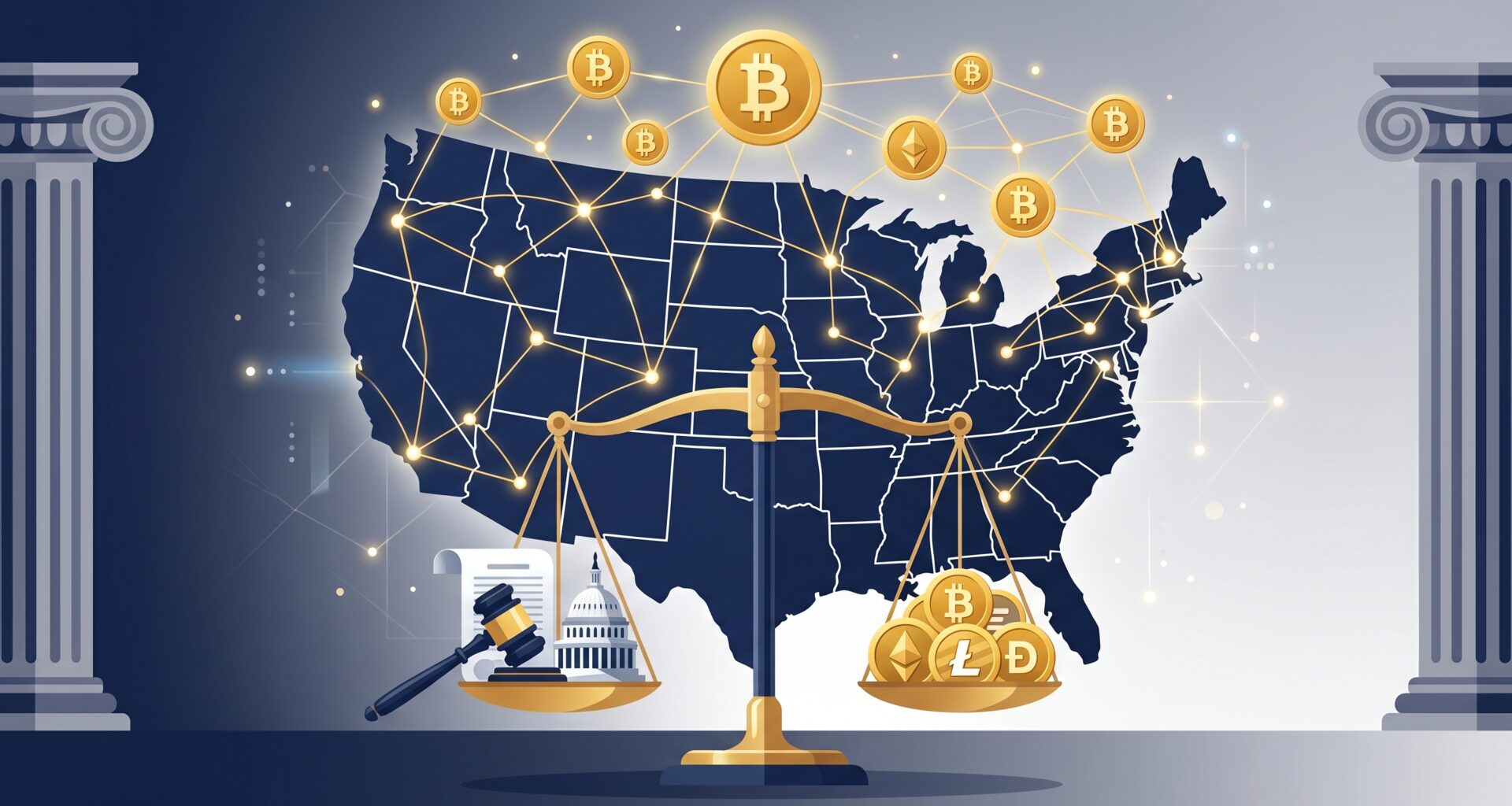
Over 52 million Americans own cryptocurrency, yet 63% don’t understand the legal requirements they must follow. That’s a huge problem. In 2023 alone, regulators handed out billions in penalties to crypto companies and individuals who broke rules they didn’t even know existed.
If you own any crypto, this affects you directly. It doesn’t matter if you have $100 in Bitcoin or $100,000 in various coins. The government wants to know about it, and they want their cut. More importantly, they want to make sure you’re following the rules.
This article breaks down everything you need to know about crypto regulation in America. You’ll learn which agencies control what, how taxes work, what you must report, and how to stay out of trouble. No legal jargon. No confusion. Just clear facts that protect your investments and keep you compliant.
Why Crypto Regulation Matters to You
Regulation isn’t just red tape that slows things down. It actually protects you from scams and fraud that have stolen billions from unsuspecting investors. When exchanges follow rules, your money is safer. When they don’t, you get situations like FTX, where customers lost everything overnight.
Market stability improves with clear rules too. Prices become less volatile when manipulators face consequences. You can make better investment decisions when companies must tell the truth about their operations.
Tax implications hit your wallet directly. The IRS treats crypto differently than stocks, and mistakes can cost you thousands in penalties. Legal protection matters when disputes arise. If an exchange freezes your account or loses your funds, regulations determine whether you have any recourse.
The Main Agencies Controlling Crypto in America
Five different federal agencies claim authority over cryptocurrency. This creates massive confusion because they don’t always agree on who’s in charge of what.
The Securities and Exchange Commission (SEC) is the biggest player. They regulate anything they consider a security, which includes most cryptocurrencies except Bitcoin. The SEC has the power to sue companies, freeze assets, and demand registration for exchanges. They’ve been the most aggressive agency going after crypto firms. Visit the SEC’s official cryptocurrency page for the latest regulatory updates and enforcement actions.
The Commodity Futures Trading Commission (CFTC) handles Bitcoin and Ethereum because they’re classified as commodities. They regulate futures contracts and derivatives based on crypto prices. The CFTC takes a lighter touch than the SEC but still enforces strict rules.
The Financial Crimes Enforcement Network (FinCEN) fights money laundering and terrorist financing. They require exchanges to report suspicious transactions and collect customer information. Breaking FinCEN rules can lead to criminal charges, not just fines.
The Internal Revenue Service (IRS) wants their tax money from your crypto gains. They’ve started getting much more serious about enforcement, matching data from exchanges to catch people who don’t report. The Office of the Comptroller of the Currency (OCC) oversees banks that want to offer crypto services.
These agencies sometimes fight over jurisdiction. The SEC and CFTC have been battling for years over who controls what. This makes it harder for companies to know which rules to follow and harder for you to stay compliant.
Is Your Crypto a Security? The Howey Test Explained
Whether your cryptocurrency counts as a security determines which rules apply. The SEC uses something called the Howey Test to decide. This test comes from a 1946 Supreme Court case about orange groves, believe it or not.
Something is a security if it meets four criteria. First, it involves an investment of money. Second, the investment is in a common enterprise. Third, there’s an expectation of profits. Fourth, those profits come from the efforts of others, not your own work.
Most cryptocurrencies fail this test, meaning the SEC considers them securities. You invested money in a project. The developers and their team do the work. You expect the token price to go up based on their efforts. That’s a security according to the SEC.
Bitcoin and Ethereum get special treatment. Both agencies agree these are commodities, not securities. They’re decentralized enough that no single group controls them. Most altcoins don’t get this pass.
If your coin is deemed a security, the company that created it needs SEC registration. Exchanges selling it need registration too. Violations lead to lawsuits and forced refunds to investors. Recent court cases have started pushing back on the SEC’s broad interpretation, but the agency hasn’t backed down.
Current Federal Laws That Affect Your Crypto
Several old laws now apply to cryptocurrency, even though they were written decades before Bitcoin existed. The Bank Secrecy Act from 1970 requires financial institutions to help detect money laundering. Crypto exchanges count as financial institutions under this law.
Anti-Money Laundering rules force exchanges to report suspicious activity. If you suddenly deposit $50,000 worth of crypto, they must file a report. Know Your Customer requirements mean exchanges must verify your identity before letting you trade. No more anonymous accounts at legitimate platforms.
The Travel Rule kicks in for transfers over $3,000. Exchanges must collect and share information about the sender and recipient. This makes crypto transfers work more like bank wires. The Securities Act of 1933 and Securities Exchange Act of 1934 apply to cryptocurrencies classified as securities.
The Commodity Exchange Act governs Bitcoin and Ethereum trading. For regular users, these laws mainly mean more paperwork and identity verification. You can’t use major exchanges without providing personal information. Large transactions trigger automatic reports to the government. Privacy coins face extra scrutiny or outright bans on some platforms.
State by State Differences You Should Know
Federal laws aren’t the whole story. Each state has its own crypto regulations too. This creates a patchwork of rules that changes depending on where you live.
New York has the strictest requirements with its BitLicense system. Any company doing crypto business with New York residents needs this expensive license. Many exchanges simply blocked New York users instead of getting licensed. Hawaii previously required exchanges to hold dollar reserves equal to customer crypto balances, which was nearly impossible.
Wyoming went the opposite direction and made itself crypto friendly. The state created special bank charters for crypto companies and clarified property rights for digital assets. Texas and Florida have also welcomed crypto businesses with lighter regulation.
Money Transmitter licenses vary by state. Some require them for crypto exchanges, others don’t. Companies must check requirements in all 50 states if they operate nationwide. You should check your state’s specific rules, especially if you’re mining, staking, or running any kind of crypto business.
Crypto Exchange Regulations and Your Safety
Not all exchanges are created equal when it comes to following the rules. Registered exchanges must meet certain safety standards. They need proper registration with FinCEN at minimum. Many also need state licenses and potentially SEC or CFTC registration depending on what they offer.
Customer fund protection remains a weak point. Unlike banks, crypto exchanges don’t have FDIC insurance. Some exchanges keep customer funds in separate accounts from company money, but this isn’t always required. Few exchanges carry meaningful insurance on customer deposits.
Proof of reserves has become more important after FTX collapsed. Some exchanges now publish cryptographic proof that they hold the assets they claim. This helps but isn’t foolproof. Verification gets tricky because exchanges can borrow assets just for the snapshot.
Unregistered exchanges often offer better rates or more coins. That’s because they skip compliance costs. The risk is massive though. When these platforms fail or exit scam, you have zero legal recourse. Red flags include no identity verification, promises of guaranteed returns, and lack of clear company information.
Tax Rules Every Crypto Owner Must Follow
The IRS treats cryptocurrency as property, not currency. This matters because every transaction creates a potential tax event. Sell crypto for dollars? That’s taxable. Trade one coin for another? Also taxable. Buy something with crypto? Taxable again.
Capital gains tax applies to most crypto transactions. If you held the crypto less than a year, you pay short term capital gains at your regular income tax rate. Hold longer than a year, and you pay long term capital gains rates, which are lower.
| Income Level | Short Term Rate | Long Term Rate |
|---|---|---|
| Under $44,625 | 10-12% | 0% |
| $44,625 to $492,300 | 22-35% | 15% |
| Over $492,300 | 37% | 20% |
Mining income counts as regular income at the fair market value when you received it. If you mined one Bitcoin when it was worth $30,000, that’s $30,000 of income. You pay income tax on that amount. Later when you sell, you calculate capital gains from that $30,000 basis.
Staking rewards work the same way as mining. The IRS considers them income when you receive them. DeFi transactions get complicated fast. Swapping tokens, providing liquidity, and yield farming all trigger taxes. Many people ignore this and face audits later.
NFT sales follow similar rules. Create and sell an NFT, and you have income. Buy and resell an NFT, and you have capital gains or losses. Gifts of crypto under $17,000 per person per year avoid gift tax. Inheritance has different rules with stepped up basis.
You must file Form 8949 and Schedule D with your tax return if you had any crypto transactions. The IRS added a question right on the front of Form 1040 asking about cryptocurrency. Lying there is a bad idea. The IRS provides detailed guidance on digital asset taxation that every crypto owner should review.Penalties for not reporting crypto income include interest charges, accuracy penalties up to 20%, and fraud penalties up to 75%. Criminal prosecution is possible for serious cases.
DeFi Regulation: The Gray Area
Decentralized finance operates without traditional companies running things. Smart contracts on blockchains handle lending, trading, and other financial services automatically. This makes regulation extremely difficult.
Regulators struggle with DeFi because there’s often no company to sue or shut down. The code runs on its own. Developers might have created it, but they don’t control it anymore. The SEC and CFTC have started going after DeFi developers anyway, claiming they’re responsible for what their code does.
DAO legal status remains unclear. These decentralized autonomous organizations make decisions through token holder votes. Are they partnerships? Corporations? Nobody knows for sure. Smart contracts that facilitate securities trading probably need registration, but enforcement is spotty.
Users need to understand that “decentralized” doesn’t mean “legal” or “safe.” If you use DeFi protocols, you’re still responsible for reporting income and paying taxes. Regulators are watching DeFi closely. Expect much clearer rules within the next few years, and those rules won’t be gentle.
Stablecoin Rules Coming Soon
Stablecoins are cryptocurrencies pegged to the dollar or other assets. They’ve grown to hundreds of billions in value. USDC and USDT dominate the market. Right now they exist in a regulatory vacuum, but that’s changing fast.
Congress is working on stablecoin legislation. The proposed rules would require reserve backing for every stablecoin. Companies would need to prove they hold real dollars or treasury bonds equal to the stablecoins they issue. Regular audits would verify the reserves.
Bank issued stablecoins would get easier approval than others. Some lawmakers want only banks to issue stablecoins at all. The timeline keeps slipping, but most experts expect new stablecoin laws within the next year or two. When rules arrive, some current stablecoins might not qualify and could face shutdowns.
NFT Regulations and Digital Collectibles
Non-fungible tokens exist in regulatory limbo too. The SEC hasn’t issued clear guidance on when NFTs count as securities. Most profile picture collections probably aren’t securities. NFTs that promise future utility or revenue sharing might be.
Tax treatment is clearer. Sell an NFT you created, and that’s ordinary income. Buy and resell an NFT, and you have capital gains. Royalties from resales count as income when you receive them. Creators have responsibilities to accurately represent what buyers are getting. False claims can bring fraud charges.
Marketplaces face pressure to implement better compliance. The SEC has warned that some NFT platforms might need to register as securities exchanges. Celebrity endorsements of NFTs must include proper disclosures. Kim Kardashian paid over $1 million to settle SEC charges for promoting a crypto project without disclosure.
What Happens If You Break the Rules
Penalties for violating crypto regulations range from annoying to life destroying. The SEC can impose civil penalties of millions of dollars on companies and individuals. They can freeze your assets while investigating. They can force you to give back all profits plus interest.
Criminal charges are possible for serious violations. Money laundering, wire fraud, and securities fraud all carry prison time. The IRS can audit you going back three years normally, or six years if they suspect major underreporting. Penalties include a failure to file penalty of 5% per month up to 25% of taxes owed.
Accuracy penalties hit you with an extra 20% if you substantially understate income. Fraud penalties can reach 75% of the understated tax. Interest accrues on all unpaid amounts. Recent enforcement examples show regulators mean business. Coinbase faces an SEC lawsuit that could reshape the industry. Binance paid over $4 billion in settlements with multiple agencies.
Kraken shut down its staking service and paid $30 million to settle SEC charges. If you realize you made mistakes in past years, voluntary disclosure programs exist. Come forward before the IRS finds you, and penalties are much lighter. For complex situations or large amounts, hiring a crypto tax professional is worth the cost.
Recent Major Regulatory Actions
The regulatory landscape shifted dramatically in 2023. The SEC sued Coinbase, America’s largest public crypto exchange. The agency claims Coinbase operates as an unregistered securities exchange and broker. Coinbase argues it only lists commodities, not securities. The case could determine the fate of most altcoins.
Binance reached a massive settlement with the Department of Justice, FinCEN, and OFAC totaling over $4 billion. The CEO pleaded guilty to money laundering violations and resigned. Binance agreed to exit the US market and maintain strict compliance going forward.
The Ripple case brought mixed results. A judge ruled that XRP sales to the public weren’t securities, but sales to institutions were. Both sides claimed victory. The SEC appealed. This decision gave hope to other crypto projects facing securities allegations.
FTX’s spectacular collapse led to criminal charges against founder Sam Bankman-Fried. He was convicted on multiple fraud counts and faces decades in prison. The fallout prompted calls for much stricter exchange regulation. Kraken’s $30 million staking settlement showed the SEC going after services previously thought safe.
These cases demonstrate a pattern. Regulators are done with gentle warnings. They’re bringing major enforcement actions with huge financial penalties. The trend is clearly moving toward stricter oversight, not less.
Proposed Changes Coming Soon
Several bills working through Congress would clarify crypto’s legal status. The market structure bills aim to define which assets the SEC controls and which the CFTC controls. Most proposals would give the CFTC authority over spot Bitcoin and Ethereum markets while the SEC keeps security tokens.
Stablecoin legislation has bipartisan support. Both parties agree that dollar backed crypto needs clear rules. Disagreement centers on whether only banks can issue stablecoins. Spot Bitcoin ETFs finally got SEC approval in early 2024 after years of rejections. This brings crypto to traditional investment accounts.
Central Bank Digital Currency discussions continue. The Federal Reserve is exploring a digital dollar. This would compete with private stablecoins and give the government direct control. New reporting requirements for brokers take effect soon. Exchanges will send you tax forms like stock brokers do.
International coordination is increasing. The Financial Action Task Force sets global standards that the US follows. What Europe and Asia do affects American regulations too. Watch for these developments because they’ll change how you use crypto.
How to Stay Compliant Without Losing Your Mind
Compliance doesn’t have to be overwhelming. Start by keeping detailed records of every transaction. Write down the date, amount, value in dollars, and purpose. Screenshot your trades. Save receipts for purchases.
Use crypto tax software to automate tracking. CoinTracker, Koinly, and TaxBit connect to your exchanges and wallets. They calculate your gains and losses automatically. These tools cost money but save hours of work and reduce mistakes. Report all income honestly, even small amounts. The IRS is getting better at matching data from exchanges.
Only use registered exchanges for serious money. Check if platforms have proper licenses before depositing funds. Understand your state’s specific requirements if you’re doing anything beyond basic buying and holding. Set aside money for taxes as you go. Don’t spend all your gains only to face a tax bill you can’t pay.
Consider professional help if your portfolio is large or complicated. A CPA who specializes in cryptocurrency can save you money and stress. The cost of compliance is way less than the cost of violations.
Protecting Yourself in an Uncertain Regulatory Environment
Smart investors prepare for regulatory uncertainty. Diversify across different types of crypto assets. Don’t put everything in coins that might get classified as securities. Bitcoin and Ethereum carry less regulatory risk than new altcoins.
Choose platforms with strong compliance records. Exchanges that work with regulators will survive. Those that fight or ignore rules will eventually shut down. Documentation protects you if questions arise later. Keep records of everything for at least seven years.
Stay informed about regulatory changes. Follow SEC and CFTC announcements. Read crypto news from reliable sources. Build a relationship with a tax professional before you need emergency help. Having someone who knows your situation makes tax time much easier.
Keep an emergency fund for potential tax bills. Many people get surprised by how much they owe. Some insurance products now cover crypto holdings, though coverage is limited. Hardware wallets protect against exchange failures and give you full control of your assets.
The Future of Crypto Regulation in America
Most experts predict increasing regulation over the next five years. The current confusion will eventually resolve into clearer rules. Both political parties support some form of crypto regulation. They disagree on details, not whether regulation should exist.
Likely compromise positions include CFTC oversight of major cryptocurrencies with SEC control of obvious securities. Stablecoin rules will probably pass first because they have broad support. Innovation versus protection creates tension. Regulators want to prevent fraud without killing new technology.
The US is actually behind Europe and parts of Asia on crypto regulation. International pressure pushes American lawmakers to catch up. Clear rules might arrive sooner than people think. A realistic timeline puts comprehensive legislation within two to three years.
Conclusion
Crypto regulation in the US is messy right now, but it’s not impossible to follow. Five different agencies claim authority, creating confusion about who controls what. The SEC treats most cryptocurrencies as securities. The IRS treats all crypto as property and taxes every transaction.
Basic compliance comes down to a few key points. Use registered exchanges. Keep good records. Report your income and pay your taxes. Don’t fall for promises that sound too good to be true. These simple steps keep most people out of trouble.
Current regulatory confusion is temporary. Clear rules are coming, probably within a few years. When they arrive, crypto will gain legitimacy and stability. The benefits of compliance outweigh the hassle. You protect your investments, avoid penalties, and sleep better at night.
Staying informed is your best protection. Regulations change fast in this space. What’s legal today might not be tomorrow. What’s unclear now might get crystal clear next month.
Take Action Now
Check your transaction history today and make sure you can account for everything. Review your current exchanges to verify they have proper licenses and registrations. Download a crypto tax tracking tool before tax season arrives. The best time to organize is now, not when you’re facing a deadline.
Subscribe to regulatory updates from the SEC and CFTC. Set up Google alerts for crypto regulation news. If you have significant holdings or complex transactions, schedule a consultation with a crypto tax professional. Don’t wait until you have a problem.
Share this information with other crypto holders you know. Most people are breaking rules without realizing it. Help your friends and family protect their investments by understanding the legal requirements. The crypto revolution is here to stay, but only if we all follow the rules that make it sustainable.