
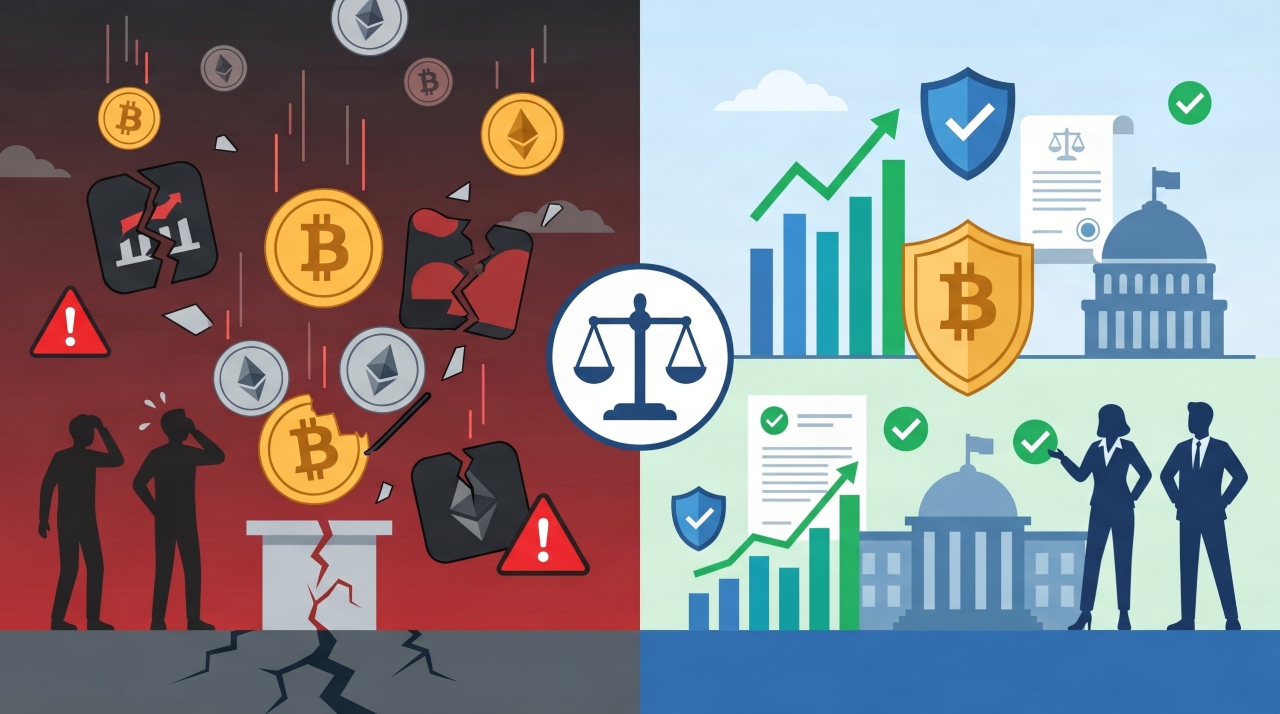
Over $10 billion vanished when major crypto lending platforms collapsed in 2022, leaving millions of users with empty accounts. Regular people who thought they were earning safe interest on their crypto holdings woke up one day to find their money gone. No insurance. No protection. No way to get it back.
This happened because crypto lending operated in a gray area for years. Nobody knew which rules applied or who was watching. Platforms promised high returns with little risk, and people believed them. When things fell apart, borrowers and lenders both got hurt.
Things are changing fast now. Regulators are stepping in with clear rules about what crypto lenders can and cannot do. Understanding these regulations helps you protect your money and make smarter choices. This guide explains exactly what laws affect crypto lending, what requirements platforms must meet, and how to spot lenders that follow the rules.
The information here could save you from becoming another statistic in the next crypto lending disaster.
What Is Crypto Lending and Why Does It Need Rules?
Crypto lending works like traditional lending but with digital currencies instead of dollars. People who own Bitcoin, Ethereum, or other cryptocurrencies can lend them to earn interest. Others borrow crypto by putting up collateral, similar to getting a car loan where the vehicle secures the debt.
The key difference from traditional banks is what happens when things go wrong. Regular banks have FDIC insurance that protects deposits up to $250,000. Federal and state agencies watch banks closely and can step in before failures happen. Crypto platforms had none of these protections for years.
When platforms like Celsius, Voyager, and BlockFi collapsed, users discovered the hard truth. These companies had used customer deposits for risky investments and loans that went bad. Some paid old customers with new customer deposits, running what looked like Ponzi schemes. Billions of dollars disappeared, and bankruptcy courts are still sorting out the mess.
Governments stepped in because regular people got hurt. Retirees lost their savings. Young families saw their emergency funds vanish. The crypto industry proved it could not police itself, so regulators decided to apply existing laws and create new ones.
How Traditional Lending Rules Apply to Crypto
Most regulators treat crypto lending products like securities. Securities are investment contracts where you give money to someone else and expect profits from their efforts. Stocks and bonds are securities. According to regulators, most crypto lending accounts are too.
This matters because securities laws require registration with government agencies. Companies must disclose risks clearly and follow strict rules about how they handle customer money. Most crypto lenders never registered, claiming they offered something completely different from traditional investments.
Courts use the Howey Test to decide if something is a security. This test asks four questions. Does someone invest money? Is it in a common enterprise? Do they expect profits? Do those profits come from someone else’s work? If the answer is yes to all four, it is probably a security.
Crypto lending accounts fit this pattern. You deposit crypto (invest money). The platform pools deposits from many users (common enterprise). You expect interest payments (profits). The platform generates returns by lending to others or trading (someone else’s work). That looks like a security under current law.
Banking regulations also apply when platforms accept deposits or make loans. Some states say crypto lenders need money transmitter licenses because they move value between parties. Truth in lending laws require clear disclosure of rates, terms, and risks before someone borrows.
The problem is that many platforms operated for years without following these rules. They assumed crypto was different and old laws did not apply. Regulators strongly disagree with that assumption.
Major Regulators Watching Crypto Lending
Several government agencies claim authority over different parts of crypto lending. This creates confusion because platforms must satisfy multiple regulators with different requirements.
The Securities and Exchange Commission takes the position that most crypto lending products are unregistered securities. The SEC brought enforcement actions against BlockFi, requiring them to pay $100 million and register their lending product properly. The agency has made clear that offering interest on crypto deposits requires following securities laws.
The Commodity Futures Trading Commission has authority over crypto lending when it involves commodities like Bitcoin. The CFTC focuses on derivatives and futures contracts. Their enforcement approach targets platforms that let users trade leveraged positions or make complex bets on crypto prices.
State regulators create their own rules on top of federal requirements. State securities divisions can charge platforms with selling unregistered securities. Banking departments in each state may require money transmitter licenses. Some states ban certain activities completely, while others have more relaxed approaches. This patchwork makes it nearly impossible for platforms to operate legally in all 50 states at once.
Federal banking regulators like the Office of the Comptroller of the Currency, FDIC, and Federal Reserve oversee traditional banks that want to offer crypto services. These agencies apply different and often stricter standards than what pure crypto platforms face. Banks must maintain higher capital reserves and follow more detailed rules.
The Consumer Financial Protection Bureau protects consumers from unfair or deceptive practices. The CFPB can take action against crypto lenders that mislead users about risks or hide important terms. Their authority covers any financial product that harms consumers, regardless of whether it involves crypto.
Current Laws Affecting Crypto Lending Platforms
Crypto lenders must follow several existing laws even without new crypto specific legislation. The Securities Act of 1933 requires registration of securities offerings before companies can sell them to the public. Most crypto lending programs likely qualify as securities under current legal interpretations. This means platforms should have registered years ago.
The Securities Exchange Act of 1934 governs trading and broker dealers. Platforms that facilitate trades or connect buyers and sellers may need broker dealer licenses. These licenses come with extensive requirements for capital, record keeping, and customer protection.
The Investment Company Act of 1940 affects platforms that pool user funds and invest them collectively. Mutual funds operate under this law. Some crypto lending platforms might qualify as investment companies, which would require registration and compliance with detailed rules about how they manage money.
The Bank Secrecy Act and anti money laundering rules apply to every crypto lender. Platforms must identify their customers, report suspicious activities, and monitor transactions for signs of illegal behavior. Money laundering through crypto is a major concern for law enforcement. Compliance with these rules is not optional.
State money transmitter laws vary widely across the country. Most states require licenses for businesses that transmit money or monetary value. Crypto often counts as monetary value under these laws. Getting licensed in every state costs millions and takes years. Many platforms simply operated without licenses and hoped nobody would notice.
New York created the BitLicense, a special approval process for crypto businesses. The requirements are so strict that many companies refuse to serve New York customers rather than comply. Texas and Alabama issued cease and desist orders to unlicensed platforms. California proposed comprehensive crypto regulation that would create clear rules but also high barriers to entry.
The patchwork problem makes compliance nearly impossible. A platform might follow federal securities laws but violate state banking rules. They might have proper licenses in 30 states but operate illegally in 20 others. No unified federal framework exists to resolve these conflicts.
What Compliant Crypto Lending Platforms Must Do
Platforms that want to operate legally face a long list of requirements. Registration comes first. Depending on their business model, they may need to register with the SEC, state securities regulators, state banking departments, or all of the above. Each registration process requires detailed applications, background checks, and significant fees.
Clear disclosure documents are mandatory. Platforms must explain risks in plain language that regular people can understand. They need to detail exactly how they make money, where user deposits go, and what happens if things go wrong. No hiding behind complex jargon or fine print.
Proof of reserves and regular audits show that platforms actually hold the assets they claim. Users deserve verification that their deposits exist and are not being secretly used for risky bets. Independent auditors should check the numbers regularly and report problems.
Segregated customer funds prevent platforms from using deposits for operational expenses or speculative investments. Customer money should stay separate from company money. This basic protection exists in traditional finance but was rarely followed in early crypto lending.
Capital requirements ensure platforms maintain enough reserves to handle withdrawals and potential losses. If a platform lends out 100% of deposits, they cannot pay users who want their money back. Regulators set minimum capital levels based on the volume of activity and risk involved.
Cybersecurity standards protect user data and digital assets from hacks and breaches. Crypto platforms are constant targets for hackers. Strong security is not optional. Regulators increasingly require specific security measures and regular testing.
Qualified custodians should hold assets rather than platforms keeping everything under their own control. A custodian is a separate company specialized in safely storing crypto. This separation adds another layer of protection if the lending platform fails.
Clear policies must explain how interest gets calculated, when users can withdraw funds, and what happens during bankruptcy or platform failure. Transparency builds trust and helps users make informed decisions.
Few platforms currently meet all these requirements. The rules remain unclear in many areas, and compliance costs run extremely high. Many platforms chose rapid growth over legal operation, gambling that regulators would not catch them.
Recent Enforcement Actions and What They Mean
BlockFi agreed to pay $100 million to settle SEC charges for offering unregistered securities. The company also had to register its lending product and stop offering interest accounts to new customers. This case sent shockwaves through the industry because BlockFi was one of the largest and most respected platforms.
Coinbase received a Wells notice from the SEC, indicating the agency plans enforcement action over their staking products. Staking resembles crypto lending in some ways. The SEC appears ready to apply the same logic and require registration.
Celsius bankruptcy revealed that the platform used customer deposits for incredibly risky trading and loans. Executives lived lavishly while customer funds dwindled. The bankruptcy process exposed lies about how safe deposits were and what the company did with user money. Exactly the kind of behavior that regulations aim to prevent.
Voyager faced state cease and desist orders for operating without proper licenses. The platform eventually filed for bankruptcy, leaving customers fighting for scraps. Dozens of smaller platforms received similar orders from state regulators.
Patterns emerge from these enforcement actions. Regulators target the largest platforms first to send clear messages. They focus on actual consumer harm rather than technical violations. They demand registration and compliance rather than trying to ban crypto lending completely.
These cases teach important lessons. Check if platforms have proper licenses before depositing money. Read all disclosures carefully and assume they might be lying about risks. Understand that high returns usually mean high risk, and that risk includes total loss.
International Approaches to Crypto Lending Regulation
The European Union created the Markets in Crypto Assets regulation, known as MiCA. This comprehensive framework requires authorization before offering crypto services. Platforms must meet capital requirements, provide consumer protections, and follow detailed operating rules. MiCA brings clarity that the US currently lacks.
The United Kingdom treats crypto lending as a regulated financial activity. Platforms need authorization from the Financial Conduct Authority. The application process examines everything from financial resources to management qualifications. Operating without approval is a criminal offense.
Singapore has clear licensing requirements through its Payment Services Act. Platforms must meet strict standards for security, governance, and consumer protection. The Monetary Authority of Singapore actively supervises licensed firms and takes quick action against violations.
Japan requires registration for crypto lenders and treats them similarly to traditional financial institutions. Platforms must maintain minimum capital, segregate customer assets, and submit to regular inspections. The system works because rules are clear and consistently enforced.
Switzerland provides regulatory clarity through guidance from FINMA, its financial regulator. The country attracts compliant businesses by offering a predictable path to legal operation. Rules are strict but known in advance.
Some countries ban crypto lending entirely rather than trying to regulate it. China prohibits all crypto activities. Other nations take wait and see approaches, watching what happens elsewhere before committing to specific rules.
The US remains stuck in the middle with unclear rules and overlapping regulators. Many in the crypto industry wish America would follow the European or Singapore model and create comprehensive federal legislation.
Proposed Federal Legislation on Crypto Lending
Multiple bills sit in Congress attempting to create clear federal rules for crypto. Some propose defining when crypto assets are securities versus commodities. This distinction matters because different agencies regulate each category.
Other bills would create an entirely new regulatory category specifically for digital assets. Proponents argue that crypto is different enough from stocks and commodities to deserve its own framework. Critics say this creates unnecessary complexity.
Some proposals give the SEC primary authority over crypto markets. Others favor the CFTC. Each agency wants control, and the fight slows progress on any legislation.
Stablecoin bills affect crypto lending because most platforms use stablecoins for loans and interest payments. Regulations requiring reserve backing and redemption guarantees would change how lending works.
Congress has debated crypto rules for years without passing comprehensive legislation. Political divisions make agreement difficult. Industry lobbying pulls in different directions, with some companies wanting strict rules and others preferring the current chaos.
Bipartisan agreement exists that rules need clarity. What those rules should say remains hotly contested. Until Congress acts, regulators keep applying old laws to new technology, creating uncertainty for everyone.
How Regulation Changes Impact Borrowers
People who borrow crypto or use it as collateral will see direct effects from stricter regulation. Higher compliance costs mean platforms may charge higher interest rates or fees. Registration, audits, and legal work cost money. That money comes from somewhere, usually customer pockets.
Better consumer protections mean less risk of total loss if platforms fail. Regulations create tradeoffs between cost and safety. Paying more for a loan stings, but losing everything hurts worse.
Fewer platforms may operate as small companies cannot afford compliance expenses. Getting properly licensed across multiple states costs millions. Only well funded companies can manage it. This reduces competition and limits choices for borrowers.
More transparency helps borrowers compare true costs and risks across platforms. Clear disclosures make it easier to spot bad deals or dangerous practices. Standardized information lets people make informed decisions.
Insurance or protection schemes could emerge similar to FDIC coverage for bank deposits. Some proposed regulations include compensation funds that pay users when platforms fail. These safety nets cost money but provide peace of mind.
Geographic restrictions may block users in certain states if platforms cannot meet local requirements. Someone in New York might have fewer options than someone in Wyoming. State by state licensing creates uneven access.
Credit checks and identity verification will become standard practice. Anonymous borrowing will end. Platforms must know who their customers are to comply with anti money laundering laws. Privacy decreases but fraud and crime become harder.
Short term pain from stricter rules may lead to long term stability. A properly regulated market attracts more participants and builds trust. Growing pains are uncomfortable but necessary for mainstream adoption.
How Regulation Changes Impact Lenders
People who deposit crypto to earn interest face their own set of changes. Lower interest rates are almost certain as platforms face higher costs and cannot take excessive risks with deposits. The days of earning 10% to 20% interest are ending. More modest returns reflect actual sustainable rates.
Greater security comes from knowing funds are segregated and regularly audited. Lenders can verify that platforms are not gambling with their deposits. Transparency and oversight reduce the chance of fraud.
Tax reporting becomes standardized as platforms must report interest payments to the IRS. The days of unreported crypto income are over. Every dollar earned gets reported, making tax compliance easier but also mandatory.
Withdrawal restrictions may apply as regulators limit liquidity promises. Money market funds faced similar regulations after the 2008 financial crisis. Platforms might limit how much users can withdraw daily or require advance notice for large amounts.
Accredited investor requirements might limit who can lend on certain platforms or earn higher rates. Accredited investors meet income or net worth thresholds proving they can afford losses. Regulators often restrict risky investments to wealthy individuals.
Platform failures become more orderly with bankruptcy protections and priority for customer claims. Proper regulations ensure that user deposits get returned before company creditors get paid. This protection exists in traditional finance and should extend to crypto.
Verification requirements end anonymous lending. Every lender must disclose their identity completely. Privacy advocates dislike this change, but it helps prevent money laundering and terrorist financing.
Earning double digit interest is not realistic in a regulated environment. Those high rates came from platforms taking huge risks with deposits or running unsustainable business models. Regulated platforms will offer returns closer to traditional savings accounts, maybe slightly higher.
Decentralized Finance and Regulatory Challenges
Decentralized finance platforms, called DeFi, create unique problems for regulators. No central company exists to regulate when code runs autonomously on blockchain networks. Smart contracts execute lending automatically without human intervention. Who gets held responsible when nobody is clearly in charge?
Anonymous developers often create DeFi protocols then disappear. They might keep some control through special tokens or admin keys, but their identities remain hidden. Regulators cannot license or sue people they cannot identify.
Users interact peer to peer through these protocols without platform intermediaries. Traditional rules assume someone sits in the middle, taking deposits and making loans. DeFi eliminates the middleman, which changes the regulatory framework completely.
Current regulatory thinking focuses on points where regulation can apply. Interfaces and front ends that provide access to protocols can be controlled. The websites and apps people use to interact with DeFi are run by identifiable companies. These touchpoints face regulation even if the underlying protocol does not.
Regulators target token issuers and developers who profit from protocols. Legal liability may extend to creators who launch projects then claim no responsibility. Courts are beginning to pierce the veil of anonymity in some cases.
Disclosure and warning requirements might apply even to decentralized systems. Someone must inform users about risks before they deposit money. Regulators can require warnings on interfaces or hold developers responsible for explaining dangers.
Money transmitter rules could apply to DeFi platforms that facilitate transfers. Moving value from person to person triggers licensing requirements in most states. The decentralized nature might not matter if the function fits the legal definition.
Debate continues about whether DeFi needs different rules recognizing its unique structure. Some argue that applying traditional regulations to code makes no sense. Others say the same consumer protection principles apply regardless of technology.
DeFi lending has caused major losses through hacks, exploits, and design flaws. Lack of regulation has not prevented harm. Users lost billions when smart contracts got hacked or economic attacks drained liquidity pools. Regulation supporters point to these disasters as proof that oversight is necessary.
Red Flags That a Crypto Lender Is Not Compliant
Smart users can spot platforms likely to face regulatory problems. No clear registration or license information is the biggest red flag. Compliant platforms display credentials prominently on their websites. They list their SEC registration number, state licenses, and regulatory status clearly.
Promises of guaranteed returns or exceptionally high interest rates signal danger. Nothing in finance is guaranteed, and high returns always mean high risk. Platforms claiming otherwise are either lying or doomed to fail.
Vague explanations of how they generate returns should raise suspicions. Legitimate platforms explain their business model clearly. They tell you exactly how they use deposits and where interest payments come from. Secretive platforms often hide risky or illegal activities.
Missing terms of service or user agreements mean the platform is not serious about legal compliance. Every financial service needs detailed legal documentation. Absence of these basics shows the company does not care about rules.
Headquarters in unregulated jurisdictions with no US presence makes enforcement nearly impossible. Some platforms deliberately locate in countries with weak laws. When things go wrong, users have no way to recover money or hold anyone accountable.
No audit reports or proof of reserves suggests the platform has something to hide. Transparency is essential for trust. Platforms that refuse independent verification probably cannot prove they have the assets they claim.
Pressure to act quickly or limited time offers are classic scam tactics. Legitimate investments do not require rushing. Creating false urgency pushes people into bad decisions before they can think clearly.
Inability to withdraw funds easily or unresponsive customer support indicates serious problems. Always test with a small amount first. If you cannot get your money back quickly, do not deposit more.
Anonymous teams or fake executive profiles are immediate disqualifiers. Research the people running the platform. Verify they are real and have relevant experience. Stock photos and made up biographies hide the truth about who controls your money.
If something seems too good to be true, it probably violates regulations or is outright fraud. Trust your instincts and do thorough research before risking your money.
Steps to Protect Yourself as Rules Develop
Taking protective action helps you stay safe while regulations develop. Use only platforms that clearly state their regulatory status and provide license numbers. Check these credentials independently by looking them up on regulator websites. Platforms sometimes lie or exaggerate their compliance.
Diversify across multiple platforms rather than concentrating funds in one place. Spreading risk reduces the chance of total loss. If one platform fails, you still have deposits elsewhere.
Start small and test the withdrawal process before depositing large amounts. Make sure you can actually access your money when you want it. Some platforms make deposits easy but withdrawals impossible.
Read all terms and conditions completely before agreeing. Understand what happens to your crypto, what rights you have, and what the platform can do with your deposits. The fine print contains critical information.
Keep detailed records of all transactions for tax purposes. Assume everything is taxable until proven otherwise. The IRS is paying close attention to crypto activity. Good records prevent problems during audits.
Follow regulatory news and enforcement actions in the crypto space. Rules change rapidly. What was legal last month might be banned this month. Staying informed helps you avoid platforms facing trouble.
Consider tax advantaged retirement accounts that allow crypto exposure through regulated custodians. Some IRA providers let you hold crypto with proper oversight and insurance. This approach combines crypto investment with traditional protections.
Maintain a portion of crypto holdings in personal wallets rather than leaving everything on lending platforms. Self custody eliminates platform risk completely. You cannot earn interest on crypto in your own wallet, but you also cannot lose it to platform failure.
Consult a qualified tax advisor or attorney familiar with crypto before making large transactions. Professional guidance costs money but prevents expensive mistakes. Compliance with tax and securities laws is your personal responsibility.
Report suspected fraud or violations to appropriate regulators. Helping authorities identify bad actors protects others in the community. Regulators rely partly on tips from informed users.
Being proactive about protection is essential when regulations remain unclear and constantly changing. Taking these steps significantly reduces your risk.
The Future of Crypto Lending Regulation
Federal framework legislation will likely emerge within the next few years. Pressure builds after each platform failure and customer loss. Congress moves slowly but eventually responds to crises. Comprehensive rules are coming.
More traditional financial institutions will offer crypto lending under existing bank regulations. Major banks are already exploring crypto services. Their entry brings legitimacy and proven oversight systems. Regulated banks offering crypto lending could become the new normal.
DeFi protocols may face registration requirements or limits on US user access. Regulators cannot ignore decentralized platforms forever. Expect rules targeting developers, token issuers, and interface providers even if the underlying code runs autonomously.
Stablecoin regulation will establish the foundation for broader crypto lending rules. Most lending uses stablecoins for transactions. Clear stablecoin rules create certainty for the entire lending ecosystem.
International cooperation will increase as regulators recognize the cross border nature of crypto. Platforms operate globally, so enforcement requires coordination between countries. Expect more joint actions and shared standards.
Innovation will continue but within guardrails that protect consumers. Regulation does not mean ending crypto lending. Proper rules actually help the industry grow by building trust and attracting institutional money.
Clear rules may expand the market by bringing in cautious investors who stayed away from the regulatory chaos. Many people want crypto exposure but refuse to use unregulated platforms. Give them legal options and they will participate.
Some platforms will exit the US market rather than comply with strict requirements. Others will adapt and thrive under clear rules. The companies that survive will be stronger and more trustworthy.
Regulation is coming whether the crypto industry welcomes it or not. The only question is what form it takes and how quickly it arrives. Smart participants prepare now rather than waiting for enforcement actions.
Common Myths About Crypto Lending Regulation
Several myths about regulation persist despite evidence to the contrary. The belief that regulation will kill crypto lending is false. Proper rules will legitimize and stabilize the market. Regulated markets are usually larger and healthier than unregulated ones.
The idea that DeFi cannot be regulated ignores regulatory creativity. Regulators will find ways to apply rules to developers, token issuers, and access points. Decentralization creates challenges but not immunity.
Some think moving operations offshore avoids US regulations. This fails in practice. Serving US customers triggers US law regardless of where the company is located. Regulators have successfully prosecuted foreign platforms.
The myth that crypto is too new for old laws to apply misunderstands how law works. Core principles of securities and banking regulation adapt to new technologies. The Howey Test from 1946 still determines what counts as a security today. The SEC provides detailed guidance on how securities laws apply to cryptocurrency products and what investors should know before participating.
Believing that only scam platforms face enforcement ignores recent history. Legitimate, well intentioned platforms like BlockFi faced major actions for failing to register. Good intentions do not excuse legal violations.
The assumption that small users do not need to worry about compliance is dangerous. Tax and reporting requirements apply to all participants. The IRS does not care if you only earned $100 in interest. It still must be reported.
Conclusion
Crypto lending regulation is messy and confusing right now, but the situation moves steadily from chaos to clarity. Multiple regulators have authority and are actively enforcing existing laws against platforms that ignored requirements. Going forward, platforms must register with appropriate agencies, disclose risks honestly, and protect customer assets with segregation and audits.
Both borrowers and lenders should expect significant changes. Lower returns but better protections will become the standard. Higher costs but less risk of total loss. These tradeoffs favor long term stability over short term gains.
Understanding how regulations work and what requirements exist helps you make smarter decisions. Knowledge protects you from platforms that will get shut down or lose your money. The crypto lending space will survive and grow, but only the compliant platforms will thrive.
Regulation is not the enemy of crypto lending. Clear rules create the foundation for sustainable growth and mainstream adoption. The wild west days are ending. What comes next will be safer, more boring, and ultimately more successful.
Your financial future depends on choosing wisely and staying informed as the regulatory landscape evolves.
Take Action Now
Before you deposit crypto to earn interest or take out a crypto backed loan, spend 30 minutes researching the platform’s regulatory status. Check if they are registered with the SEC or state regulators. Visit regulator websites to verify license numbers independently. Read risk disclosures completely, even the boring parts.
Verify the platform has proper licenses for your specific state. State requirements vary, and platforms sometimes operate illegally in certain locations while being compliant elsewhere. Your state’s securities division or banking department websites list licensed companies.
Look for proof of reserves and recent audit reports. Platforms serious about transparency publish this information. Absence of verification should make you suspicious about whether your deposits actually exist.
These simple steps could save you from losing everything when regulators shut down platforms or when those platforms collapse under their own mismanagement. Your financial security is worth the time investment. The next wave of crypto lending failures is coming for platforms that ignored regulations. Make sure your money is not there when it happens.
Start your research today and only use platforms that operate legally and transparently. The choice is yours, but the consequences of choosing poorly are severe and permanent.